🔭 Astronomy : 🧑🏽🚀 Apollo Missions : ✨ Constellations : 🚀 Mars: 💎 Minerals : ⛏ Mining : 🌖 The Moon : 🌋Plate Tectonics : 🪨 Rocks: 🛰 Space Exploration : 🌊 Tides



🥼Becoming a Scientist
- a collection of activities to use at the start of the school year posted on my “Properties of Matter” page.
🔭 General Astronomy (back to top)
- Big Dipper Clock – students will be able to tell the time by the positions of the dippers (pdf)
- Comparing and Contrasting the Planets – students will create and use task cards about the planets and dive deeper into their similarities and differences (blog entry)
- Earth & Sky Tonight – your nightly guide to the sky
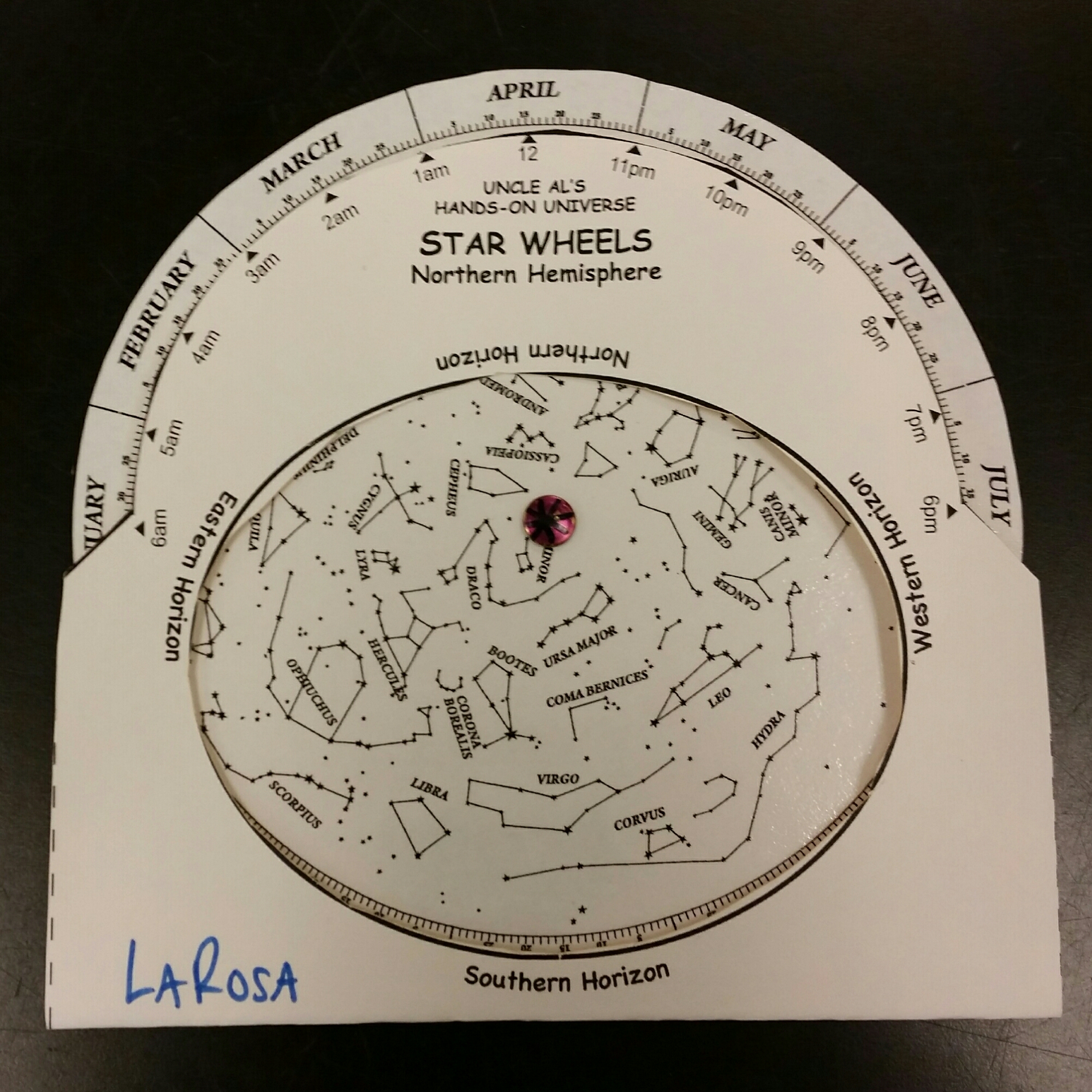
- Make Your Own Planisphere (Star Wheel) – An inexpensive and easy way to help you find constellations in the night sky (blog entry)
- Night Sky Maps – free monthly sky maps
- Planets Task Cards – students will create their own task cards of planetary facts (blog entry)
- Plotting the Stars – this is a newer modified version of the older original lesson (which I had used when I taught our Star Lab unit years ago) and is a great hand on activity for learning about and understanding Hertzsprung-Russell (H-R) diagrams and how stars are classified.
- “The Heavens Playlist” – 🎶 students will choose songs whose lyrics mention the sun, moon, stars, planets, comets, and other heavenly bodies. (blog entry)
🧑🏼🚀 Apollo Missions (back to top)
- 50th Anniversary – NASA hub of information with links
- Apollo Lunar Landing Sites: students will research the 6 Apollo Missions that landed on the moon and create a Google slide for each. (Google Doc, make a copy to edit)
- Apollo Landing Sites and Moon Phases – really nice video by NASA that shows the landing sites and changing phases of the moon
- Apollo Missions: Summary of each mission with videos and images
- Apollo Mission Patches – fantastic video that animates the mission patches and weaves in audio clips for each mission
- John F. Kennedy’s Speech at Rice University
- ReadWorks – “Climbing Space” has excerpts from Kennedy’s speech and reading comprehension questions
- Readers Theater Moon Talk 📽
- Quiz, Quiz, Trade – Apollo Missions Active Review Game (blog entry)
Advertisements
✨ Constellations (back to top)
- Star Deck & Guide – this has been on the web a long time, and luckily it is still available – you can print flashcards for all 88 constellations (preview one of the cards – Orion)
- Constellation Flash Cards – Printable cards for 28 constellations (link) or 20 constellations with notes (pdf)
- Personal Constellation – ✍🏼 students will create an original constellation using the letters of their name. They can write a short story to tell the tale of how their constellation ended up in the sky (pdf)
- Constellation Haiku –✍🏼 students will create original poetry based on the constellations and their mythology (blog entry)
- Constellation Viewer – using a Pringles Can, students will make a constellation viewer, templates are included (pdf)
- Paper Cup Planetariums – project the constellations onto a wall, stack up cups when done
- Shoebox Planetarium -🎨 students will learn the constellations of the night sky by making a viewer to practice identification (blog entry)
🚀 Mars (back to top)
- Abiotic vs Biotic Factors – classifying living vs. nonliving on Earth vs Mars (Google Slides, view only)
- Buehler Mission Patch Contest -🎨 these are the contest finalists (prior to the final vote) from our 2024 trip, the kids are so creative and I loved seeing their artwork each year
- Choose the Artemis Crew – what qualifications do you think are needed to create a successful team of astronauts to send to Mars? (blog entry)
- Crash Landing – your craft has a major malfunction and you crash land in a crater on Mars. As part of our Buehler trip prep, my 6th graders, had to think critically and work as a team so they can make it the base.
- Student Google Sheet – to calculate score, original lesson (pdf) has the expert rankings and supply cards
- Earth, Mars, and the Moon Venn Diagram – What do we know? This is a whole class activity used as an introductory lesson to kick off our unit on Mars. (blog entry)
- Earth & Mars Facts Comparison Chart – Students will sort and categorize facts about the two planets (blog entry)
- Google Mars – explore the surface of Mars!
- Mars Missions – students will research the history of exploratory missions to Mars (blog entry)
Advertisements
💎 Minerals (back to top)
- Crystal Shapes – 🎨 atoms in minerals join together to create crystals (TedEd)
- Students colored, cut out, added strings, and glued the crystal shapes together to create mobiles with a paper plate. Print on larger paper such as 11×14 so the shapes are easier to cut and assemble. (pdf)
- Geology.com – The Mineral Page has tons of information and images
- How many minerals are in your home?👩🏻💻 students will learn about how common items in their home are the products of mining and made from minerals (blog entry)
- Mohs Scale – a beautiful graphic with minerals on the Mohs Scale from Compound Interest (pdf)
- Mohs Scale Notes – fantastic notes from Sciencenotes.org
- Mineral Classification – students will get an overview of how minerals are classified and some of their general uses (blog entry)
- Mineral Identification Stations – Tracy has a great collection of lessons on her page, check out her Mighty Minerals unit
- Mineral Research & Cube Project –🎨 students will research a mineral of their choice and create a mineral cube to decorate and display their findings (blog entry)
- What is a mineral? Students will learn the characteristics of minerals and then classify items as either minerals or non-minerals (blog entry)
⛏ Mining (back to top)
- Cookie Mining – can you run a profitable chocolate chip ore mining company? (blog entry)
- Environmental Issues Research – how does the use of our natural resources affect the environment? (blog entry)
- Intro to Mining (with a focus on New Jersey) – what are the types of mines and is there mining in your state? You can modify these slides with information about your state (blog entry)
- Lewis Hine & Child Labor: Why did children work in the factories and coal mines instead of going to school? How did Hine’s photographs bring this problem to light? (blog entry)
- Metals and Minerals Production – what types of metals and minerals are exported by the United States and the country that has my adopted city? What are these metals and minerals used for? (Adopt a City Lesson 11 coming soon)
- The Sterling Hill Mining Museum -in Northwest New Jersey – a former Zinc mine turned into a museum. They have an amazing collection of minerals and it is a wonderful place to visit! Video 📽
🌖 The Moon (back to top)
- Birthday Moon & Phases Flip Book – what did the moon look like on your birthday?Students will learn to identify the phases of the moon (blog entry)
- Exploring the Moon Educator Guide – by NASA with over 100 pages of resources (pdf)
- How far away is the Moon? – hands on activity for a better understanding of the sizes of the Earth and the Moon (blog entry)
- Moon Clock – enlarge to 120%, laminating optional (pdf)
- Moon Phase Finder – Template, glue onto paper plate, cut out center
- Moon Phases Identification – for quizzing or self review (Google Slides)
- NASA Moon – Hub of information for the Moon
- Rotation vs. Revolution – this is a great little demo and activity to show how the Moon rotates and revolves around the Earth.
- I had the students try out their own theories on how to make the penny rotate/revolve, then gave them the hint to try it with Lincoln facing the quarter (pdf)
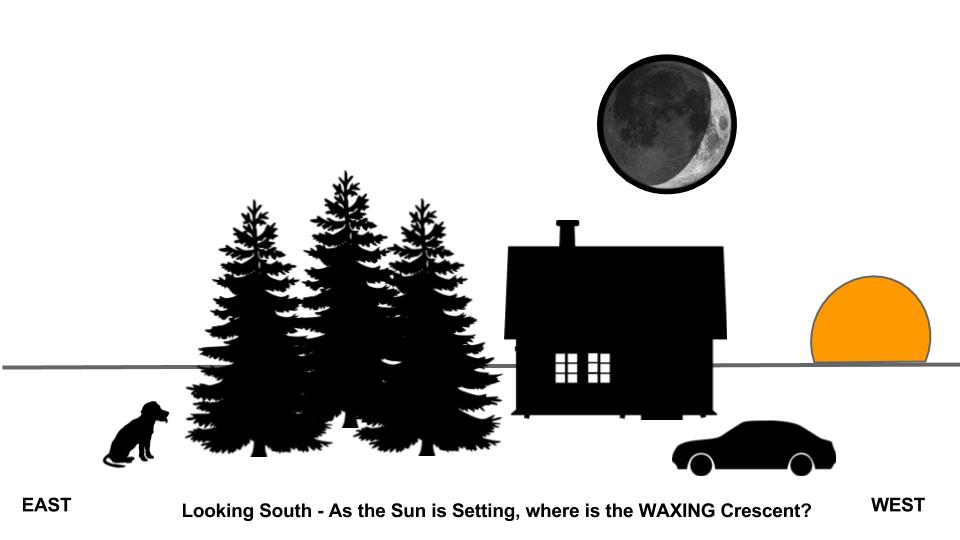
- Where is the Moon? – Hands on modeling activity with paper cut outs to simulate the movement of the Sun and Moon across the sky in the Northern Hemisphere (blog entry)
Advertisements
🌋 Plate Tectonics (back to top)
- Have you ever visited a Volcano? – students create and present an animated Google slide advertisement to promote people visiting their volcano (blog entry)
- NATGEO – a great hub of information and resources to teach about Plate Tectonics, Earthquakes, and Volcanoes
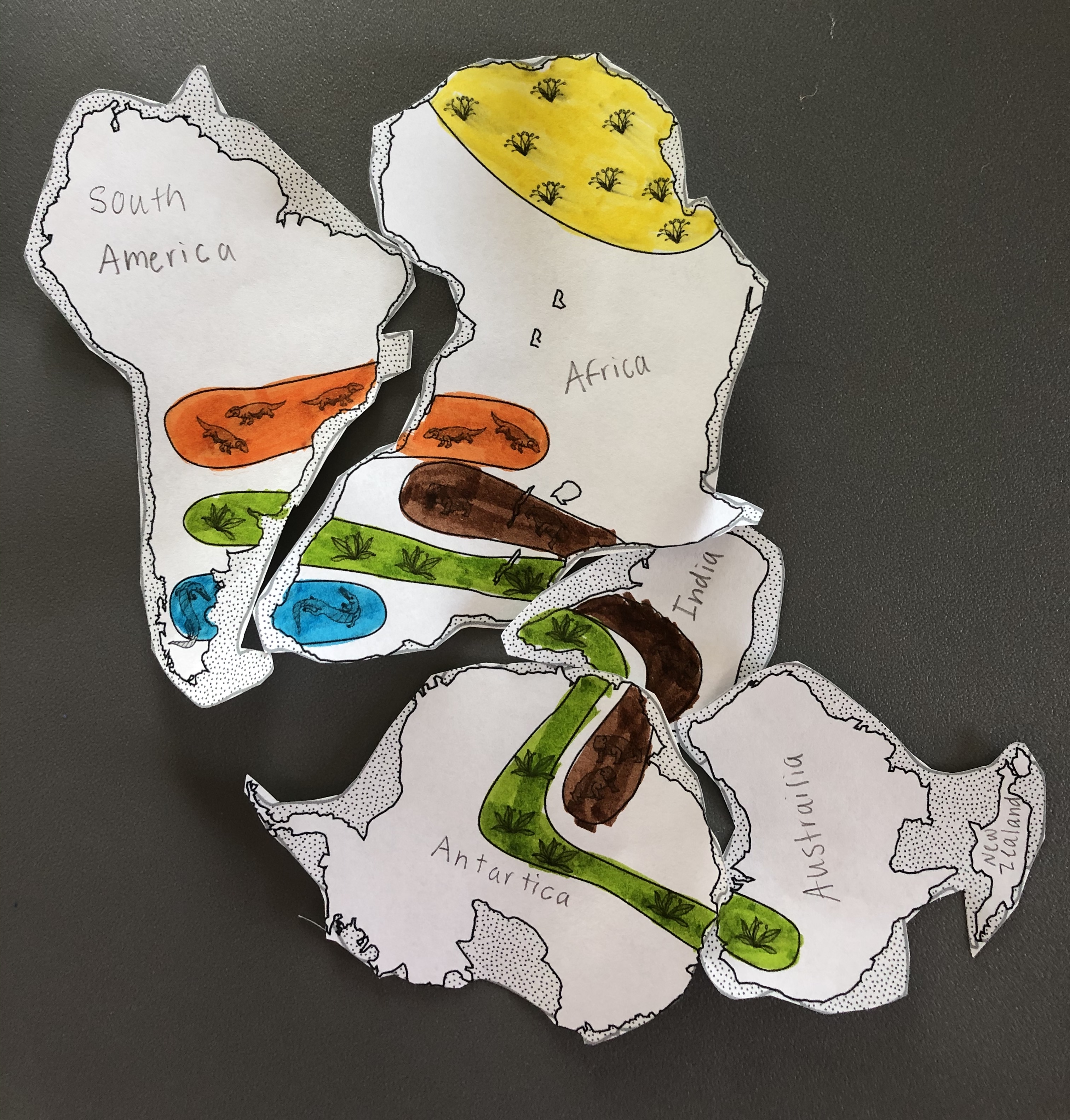
- Pangea Puzzle Activity – how did the continents once fit together? (blog entry)
- PBS – “Browse Earth and Space Science videos, interactive activities, teaching materials, and more!”
- Plates on the move – 👩🏻💻 AMNH interactive world map, good source of information for students to explore
- Real-time USGS data collection for Global Earthquakes -🧑🏻💻 students will plot EQ data for their assigned region of the world – what patterns will they notice? (Blog entry)
- Tectonic Explorer – 👩🏻💻 create your own land masses and tectonic plates then observe what happens, great interactive site!
- Tectonic Plate Maps:
- USGS – Black and White (pdf) and Color
- National Park Service – tectonic plates and our parks
- NatGeo – map maker
🪨 Rocks (back to top)
- Geology.com – The Rocks Page has tons of information and images
- Law of Superposition – can you figure out the fossil timeline? (blog entry)
- Ride the Rock Cycle! 🎨 Students will go on an adventure and create a comic strip of their journey on the rock cycle (blog entry)
- “Rocks, Gems, and Minerals Guide“ – I had a classroom set and recommend them since they are inexpensive, have a great deal of information, and are age appropriate.
- Rocks ROCK! Students will learn to identify 12 common rock samples by researching each and creating games with their peers (blog entry)
🛰 Space Exploration (back to top)
- Exploring the Solar System: Past, Present, and Future Unmanned Missions – students will research the history of unmanned space exploration and the information we have collected about our solar system and beyond. (blog entry)
- NASA Space Travel Timeline – students will research and present one part of the timeline of space exploration, from the Mercury Missions to Artemis II. (Google Sheet)
- NASA Spinoffs -🧑🏻💻 students will explore how space exploration makes our daily lives here on Earth better (blog entry)
- Outside the Spacecraft -celebrating the 50th anniversary of EVAs, artifacts, photos, videos, and more!
- Space Race Timeline – students will practice using a timeline and learn key moments from the space race – Common Core worksheet (pdf)
🌊 Tides (back to top)
- “The Tide Rises, The Tide Falls“ – 🎨 Poem by H.W. Longfellow – creative poetry cut up and art activity (blog entry)
- Tides Notes & NOAA Real Time Data – 👩🏻💻 student will learn how to use the NOAA website to find current tide information, learn how to read tide graphs and charts, and find water temperatures for 10 different stations and compare their data (blog entry)
- Tides & Moon Phases – students will learn how to read a tide chart and graph tide data to see the relationship between tides and moon phases (blog entry)
- Tides, Water temperature, and Moon Phases – students will explore port cities, view webcams, and collect data (Adopt a City enrichment)
🔭 Astronomy : 🧑🏼🚀 Apollo Missions : ✨ Constellations : 🚀 Mars: 💎 Minerals : ⛏ Mining : 🌖 The Moon : 🌋Plate Tectonics : 🪨 Rocks: 🛰 Space Exploration : 🌊 Tides
— entries on this page were last checked and updated on 6.9.24 —
Advertisements
 Middle School Science Lessons