🥼 Becoming a Scientist: ⚖️🧪📦 Mass, Volume, Density : 🧊 💧☁️ Phases of Matter



🥼 Becoming a Scientist
- Scavenger Hunt – Students will have fun learning where everything is in their new science classroom on the first day of school (blog entry)
- I am a scientist – 🎨 What does a scientist look like? What is your favorite field of science? Students will draw Instagram pictures of themselves as scientists (blog entry)
- SpongeBob Safety Rules and Scenarios Activity – Students will read 5 different unsafe lab scenarios and determine which safety rules SpongeBob and his crew didn’t follow. (blog entry).
- Apple Observation – how do you describe an apple? (Blog entry)
- Observation vs. Inference – The goat by the water – students will learn to distinguish between observations and inferences (Blog entry)
- Predictions & Observations – how much water will evaporate from the 1000mL graduated cylinder between Sept and June? (blog entry)
- Qualitative vs Quantitative Observations – student handout with a Far Side cartoon (blog link)
- Mystery Footprints – students will observe animal tracks and learn how to differentiate between observations and inferences (blog entry)
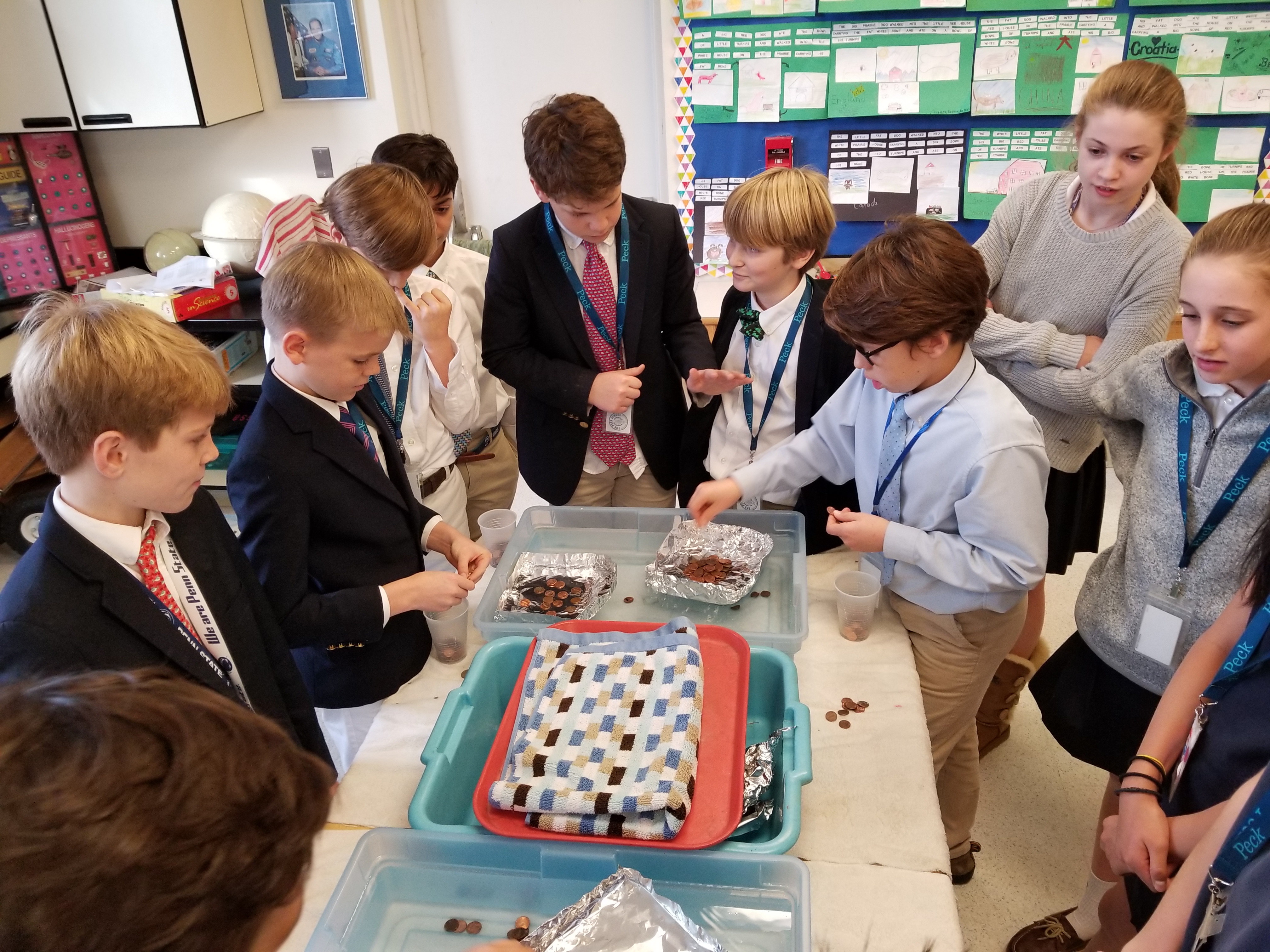
- Drops of water on a penny – students will make predictions and observations about surface tension. (New – Google Doc, make a copy) (Old – pdf)
- The extra piece – how do scientists incorporate new findings? I like to reference that the first puzzle represents everything that they know already, so it is easy to put together. The extra piece represents all that they are going to learn this school year, in all their subjects. Trying to solve this new puzzle will be difficult, and require patience, determination, grit, perseverance, asking for help, frustration, different ways to see things, etc… but they will get it eventually.
- Cup Stacking Challenge – Students will work as a team to complete a series of challenges using cups, string, and a rubber band (Blog entry)
- Famous Scientist Wanted Poster – 🎨 wanted for contributing positively to Society – which scientist will you pick? (blog entry)
- Vocabulary – cut and paste activities and templates in Google Drive (blog entry)
- Science Scramble – 7 letter science vocabulary words (blog entry)
- Science Prompts -📝 start each day with 5-10 minutes of skills & review – done for homework the night before to save time in class (blog entry)
Advertisements
⚖️🧪📦 Mass, Volume, and Density (back to top)
- Metric System Notes for interactive notebooks (blog entry)
- Reading a metric ruler – Guided practice whole class instruction (blog entry)
- Finding volume of rectangular prisms – using LxWxH (blog entry)
- Measuring liquid – volume/graduated cylinder practice (blog entry)
- Pour to Score -👩🏻💻 an interactive website from PBS to practice determining volume (blog entry)
- Reading a graduated cylinder – how to read a graduated cylinder (blog entry)
- Graduated Cylinders Rotations – stations to practice reading a graduated cylinder (blog entry)
- Finding the Volume of Irregularly Shaped Objects Using Water Displacement – Students will find the volume of pennies, rubber stoppers, and other small objects using water displacement (blog entry)
- Reading a Triple Beam Balance – 👩🏻💻 I use this interactive link to help the students with reading the masses to the nearest 1/10 (0.1 gram) and also before they use a real TBB. (blog entry)
- Bottles of Stuff – students will estimate, rank, and measure the masses of bottles filled with a variety of items (blog entry)
- Mass, Volume, & Density: Summary Notes (pdf)
- Mass, Volume, Density Notes – foldable on how to use the formulas used to find mass, volume, and density and how to solve word problems. (blog entry)
- Density of Water Lab – students will determine the density of water using a graduated cylinder and a triple beam balance (blog entry)
- Float or Sink Interactive Site with Guided Directions:🧑🏻💻 This is a good interactive site for students to explore how mass and volume are related to density and if the object will float or sink in liquids. (blog entry)
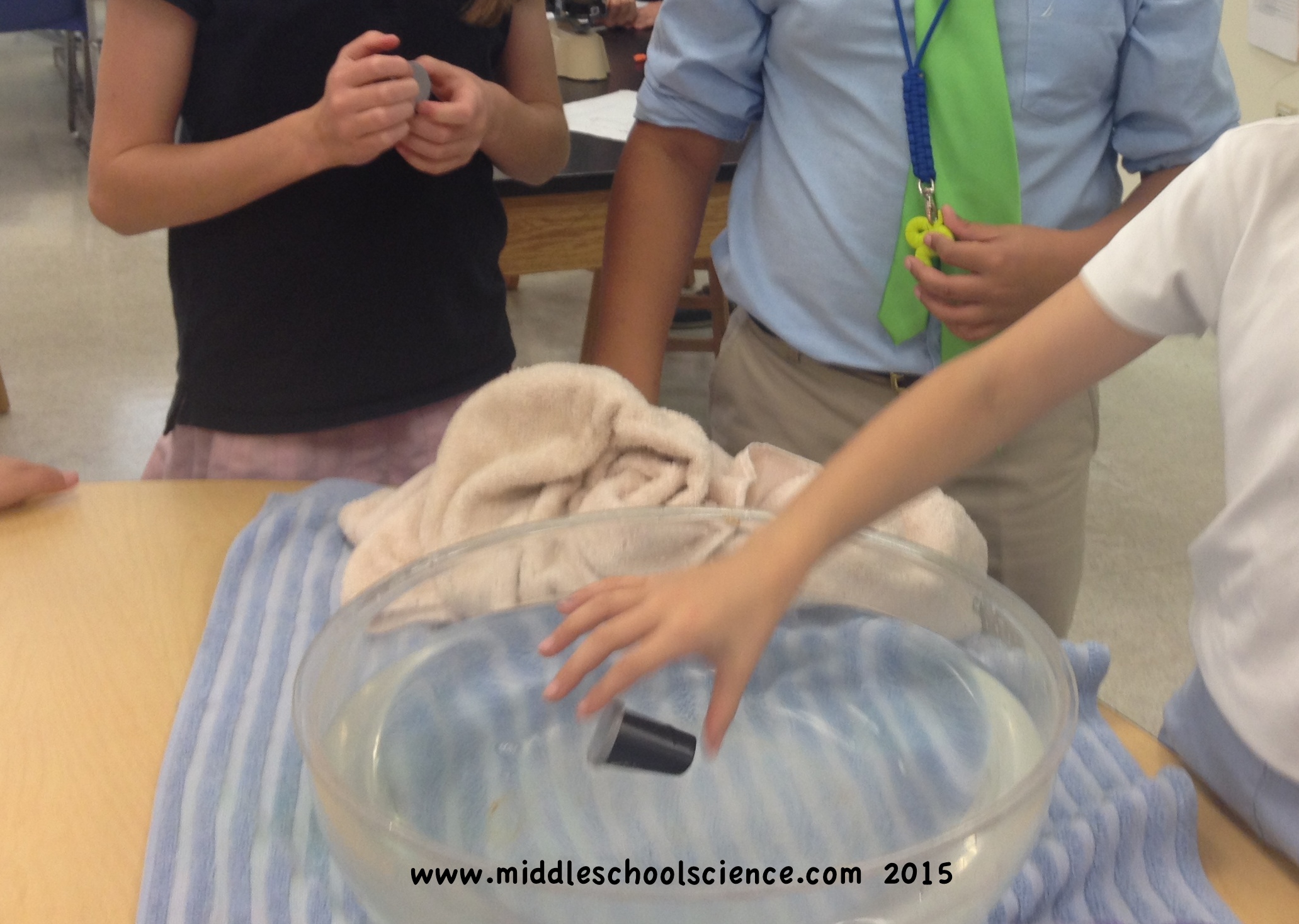
- Dunkin’ for Density Challenge – students will figure out how to make a film canister float, suspend, and sink in tank of water (blog entry 1) & (blog entry 2)
- Density Demo – 5 identical bottles filled with different materials, let’s talk about density! (blog entry)
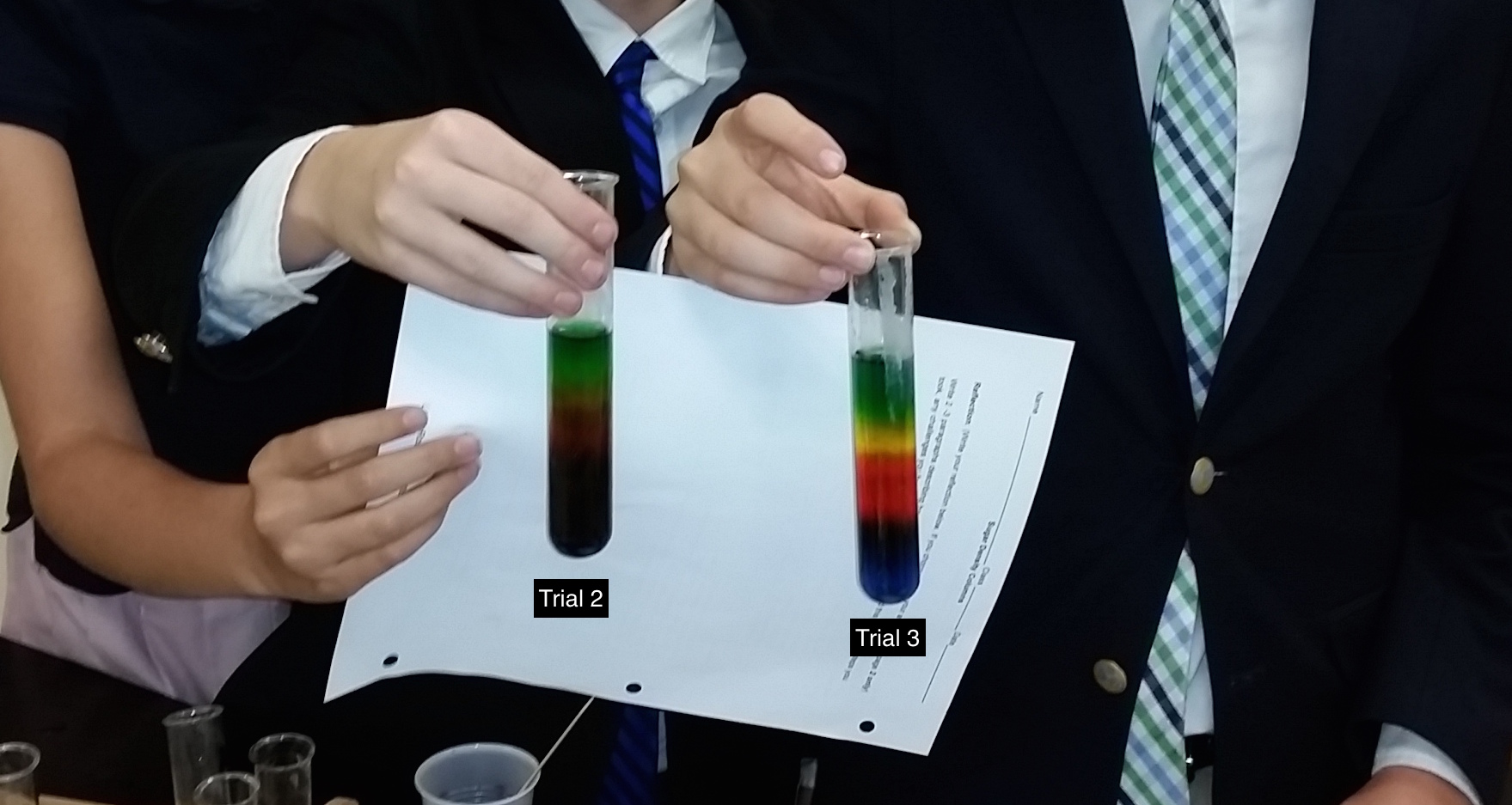
- Rainbow Density Layers – using sugar, food coloring, and water, can you make a density column? (blog entry)
- Density ID – can you identify the material the block is made of? (blog entry)
- Cartesian Diver – make your own divers, fun, quick, easy and inexpensive to do (blog entry)
Advertisements
🧊 💧☁️ Phases of Matter and Phase Change (back to top)
- States of Matter Notes (pdf) that go along with BrainPOP or can be a stand alone worksheet since there is a word bank provided.
- States and Phases of Matter Triple Venn Diagram Notes
- this is a fun interactive activity to use with a SmartBoard, as a cut and paste, or with chalk on a lab desk (black lab desks are great to draw on), or some other hands-on/interactive ways (blog entry)
- Physical and Chemical Properties, P/C Changes Notes Cut and Paste Foldable – students will sort and organize the properties. (blog entry)
- Physical and Chemical Changes Sorting Activity– Using photos, students will sort images based on if they think it is showing a physical change or a chemical change. (blog entry)
- Candle Observation Lab – observing physical and chemical properties/changes (blog entry)
🥼 Becoming a Scientist: ⚖️🧪📦 Mass, Volume, Density : 🧊 💧☁️ Phases of Matter
————–Links on this page were checked and updated on 4.8.25———-
 Middle School Science Lessons